
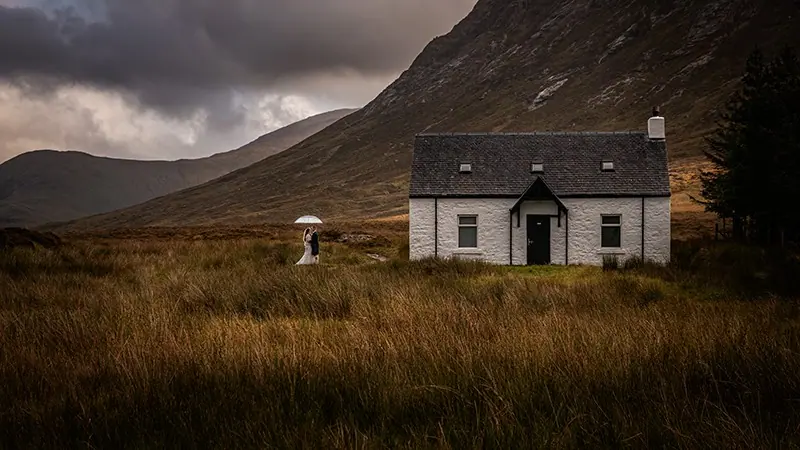
So you’ve decided to elope in the Scottish Highlands. Wise choice — the landscapes are unmatched, the intimacy is real, and you’ll actually remember the day instead of spending it managing a guest list. But here’s the thing: just because you’re keeping it small doesn’t mean you want it to feel thrown together or less-than. You still want it to feel like your wedding — just on your own terms. After photographing elopements across Inverness, the Highlands, and everywhere from Skye to Glencoe, I’ve seen what makes the difference between a quick registry office visit and an elopement that genuinely feels like the wedding you wanted. Let me walk you through how to plan one that ticks all the boxes.
A recent elopement wedding.
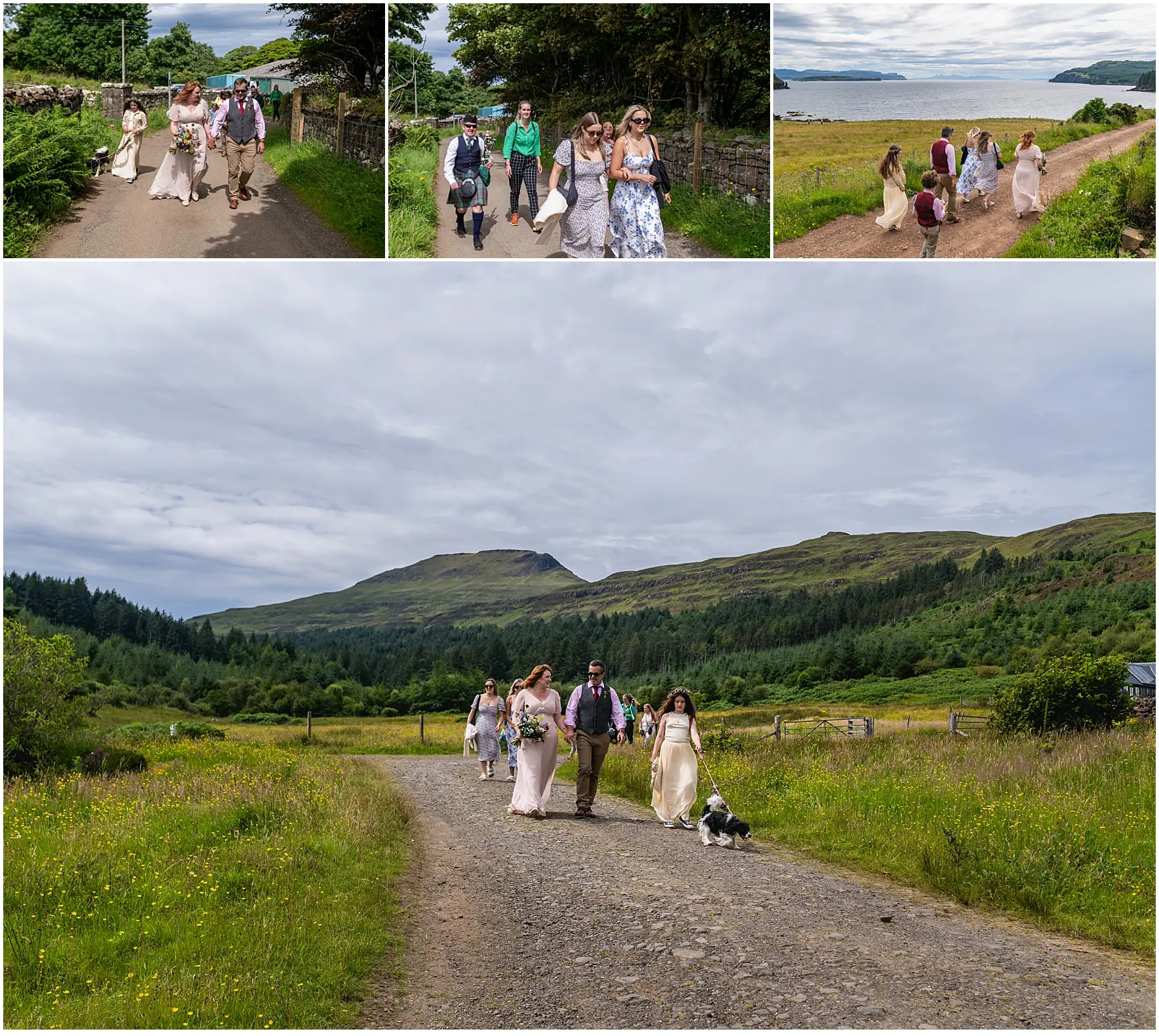
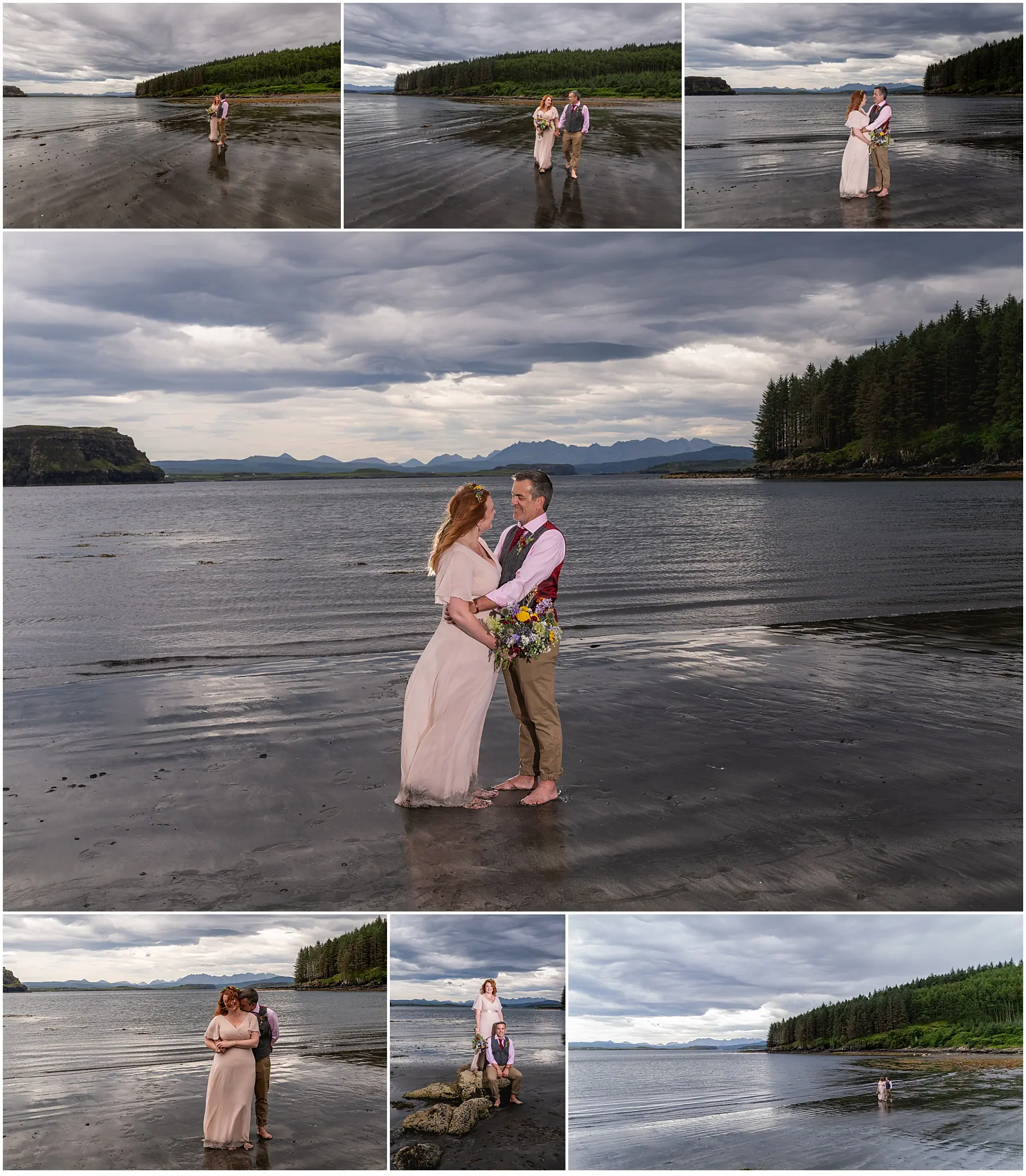
Nick and Lindsey's Orbost Beach Wedding on the Isle of Skye.
Get in Touch.
What Makes an Elopement Feel Like a Wedding?
The difference isn’t about guest count or venue size. It’s about intention. A wedding feels like a wedding when you’ve thought about the details that matter to you — whether that’s your outfit, the setting, the words spoken, or simply carving out time actually to be present with each other. An elopement gives you the freedom to plan your day however you want. The couples I work with who are happiest with their elopements are the ones who treated it like a real event, not just a formality. They got dressed up, chose a location that meant something, hired a photographer or celebrant they connected with, and built in time to breathe. That’s what we’re aiming for here. My Wedding Photography Pricing.
Choosing Your Elopement Location in the Scottish Highlands
The Highlands offer everything from dramatic coastlines and beaches to mountain backdrops, and your choice of location will set the tone for your entire day. Consider accessibility versus remoteness. Some of the most stunning spots require a hike — think Quiraing on Skye or the Fairy Pools. If you’re comfortable with that, brilliant. But if you’d rather keep things easier, there are many stunning locations that are not far from the road or just a short walk away. Think about light and weather. Scotland’s weather is famously unpredictable, but specific locations handle rain better than others. Forests and glens offer natural shelter, while coastal spots can be spectacular but exposed. I always recommend having a flexible mindset and a backup plan, even if it’s just knowing where the nearest covered spot is. Popular elopement locations include:
- Isle of Skye (Fairy Pools, Quiraing, Neist Point). Though it is likely to be very busy during peak tourist season.
- Glencoe (think mountain backdrops).
- Glen Etive (where Skyfall was filmed).
- Loch Lomond and The Trossachs (again busy).
- Cairngorms National Park.
- Beaches along the west coast on the NC500.
The best location is one that resonates with you. If you’ve got a connection to a particular place — maybe you visited it together, or it reminds you of somewhere meaningful — lean into that. Scottish Highland Elopement Photography.
Timing Your Elopement for the Best Light and Comfort
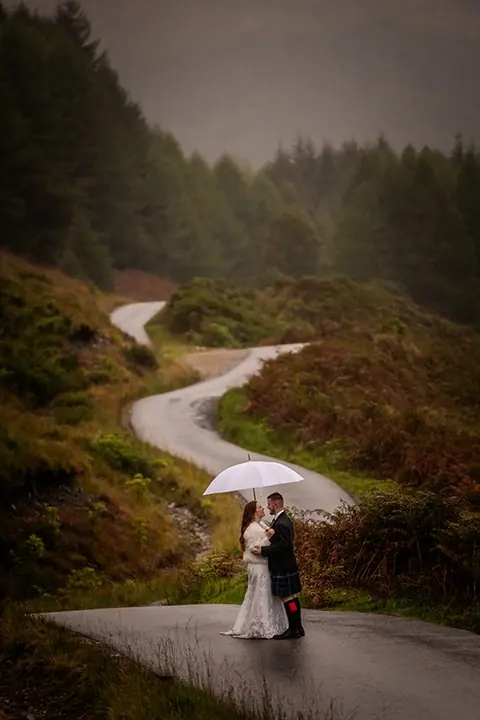
Timing matters more for elopements than traditional weddings, because you’ve got the flexibility to choose when it happens. Sunset is your friend. In summer (June-August), in the Highlands, you are looking at around 8-10 pm, and you get incredibly long, soft light. In spring and autumn, from 6-8 pm, the light will have disappeared. In winter, darkness will be around late afternoon, and prepare for cold with rain, wind, or snow, and potentially limited daylight. Consider the season carefully: Summer with long days, weather improving, but a busy tourist season and midges. Autumn with stunning colours, fewer crowds, and more dramatic skies. Winter brings moody landscapes, potential snow or driving rain, and very short days. Spring things can be greening up, heather, unpredictable weather. If you’re planning to hike to your location, factor in travel time. A 30-minute walk takes longer in wedding attire, and you’ll want to arrive with time to settle in before your ceremony. My recommendation? Spring or autumn offers the best balance of light, weather, and fewer tourists. But honestly, the Highlands are beautiful year-round if you’re prepared.
Outfits: Dressing for Drama and Comfort
How you dress is where elopements get interesting, because you’re free to wear what actually makes sense for your day. If you’re hiking or exploring: Consider practical adjustments without sacrificing style. A shorter dress or one with a less dramatic train makes movement easier. Layering with a leather jacket, shawl, or even a stylish jumper can keep you warm and add character to your photos. For footwear, hiking boots under a long dress work brilliantly, or bring a change of shoes for photos versus walking. If you’re keeping it your elopement elegant, Full traditional wedding attire absolutely works if your location is accessible. I’ve photographed couples in full suits and flowing gowns on beaches, at castle ruins, and in forest clearings. Just know your environment and bring layers for Scotland’s weather. Outfit tips for Highland elopements:
- Bring a wrap, a jacket, or a blanket —you’ll use it.
- Consider how your outfit moves in the wind (it will be windy).
- Dark or earth-toned suits photograph beautifully against Scottish landscapes.
- Florals that reference the season (thistles, heather, wildflowers) feel natural.
- Don’t be afraid of colour — rich jewel tones stand out against green and grey.
- Bring comfortable walking shoes and your “statement” shoes for photos.
The best outfit is one that makes you feel like yourself; if that’s a white dress and suit, perfect. If it’s something more unconventional, even better.
Celebrant vs Registrar: What You Need to Know
Who you choose is the practical bit, but it’s essential. Registrar (legal ceremony): If you want to be legally married on the day, you’ll need to use a Scottish registrar. You’ll need to give at least 29 days’ notice, and ceremonies can take place at a registry office or an approved venue. Some registrars conduct ceremonies outdoors; check availability for your specific location. Celebrant (symbolic ceremony): If you’re handling the legal paperwork separately (either before or after), a celebrant gives you total freedom. You can get married anywhere, at any time, with a ceremony that’s totally you. Many couples do a quick registry office signing beforehand and then have their “real” ceremony with a celebrant in the Highlands. Although many celebrants are legally allowed to marry you. Which option feels more like a wedding? Honestly, celebrant ceremonies often feel more personal because there’s no time limit and no script. You can write your own vows, choose readings that matter to you, and make it as formal or relaxed as you like. If you’re unsure, I’d suggest looking at celebrants who work regularly in the Highlands — they’ll know the logistics, the best spots, and how to handle Scottish weather gracefully.
Travel and Accommodation: Keep It Simple
The Highlands are remote, and that’s part of the charm — but plan accordingly. Getting there: If you’re flying into Scotland, most couples use either Glasgow, Edinburgh, or Inverness as their base. From there, hiring a car is essential unless you’re staying extremely local. The drives are stunning, but they take longer than you’d expect—factor in extra time for narrow roads, passing places, and sheep. Where to stay: I always recommend staying near your ceremony location the night before and after. You don’t want to be rushing, and waking up in the Highlands on your wedding day is part of the experience. Options range from luxury lodges to cosy B&Bs to remote bothies, depending on your style and budget. Hire a local photographer: This one’s biased, but it’s practical — working with a photographer who knows the Highlands means they see the light, the locations, and the backup plans. They can guide you to the best spots and keep everyone calm.
Making It Feel Special Without the Hassle of a Big Day
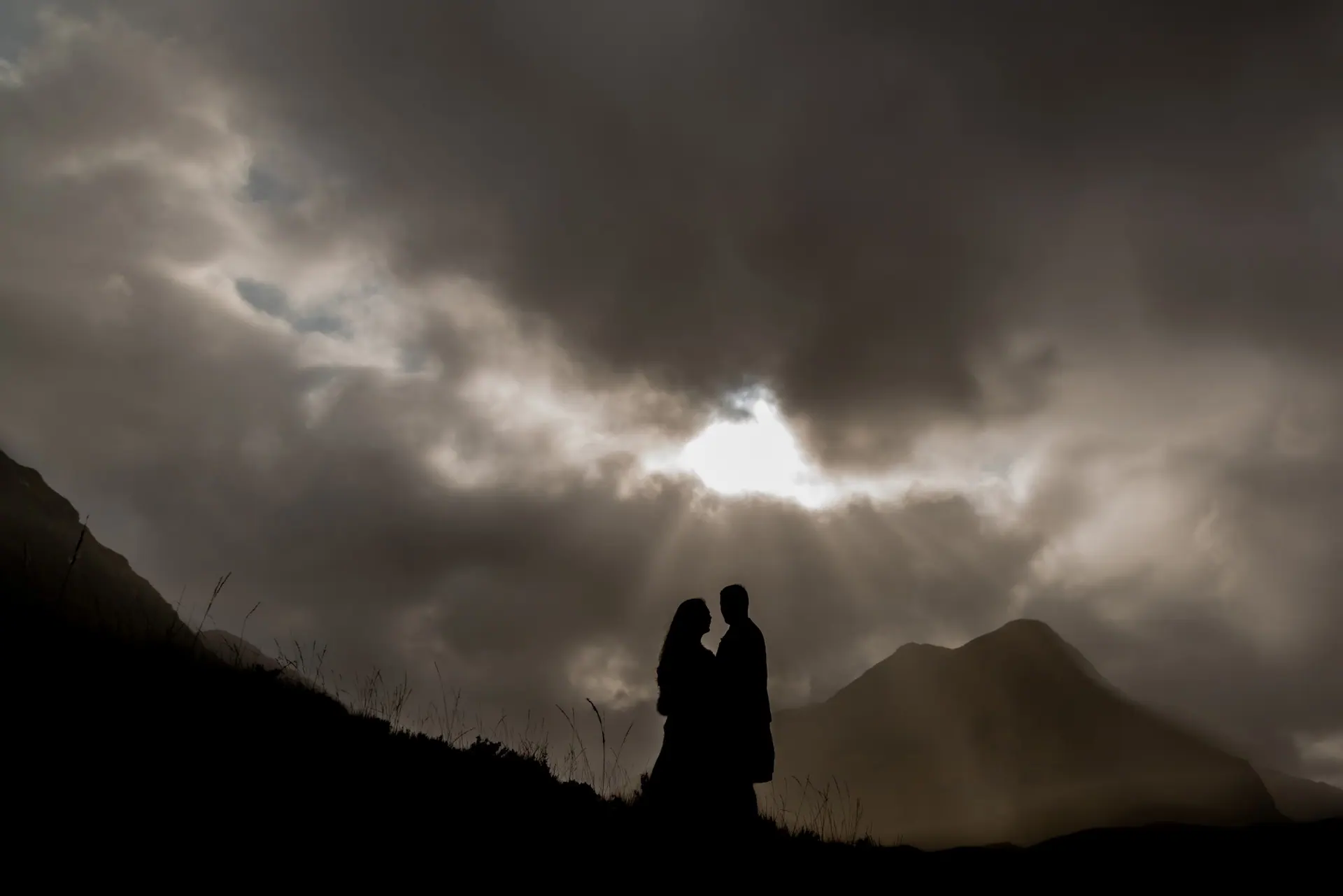
Here’s the best bit about elopements: you get to focus on what matters to you. Build in meaningful moments. Maybe that’s reading private letters to each other before the ceremony, sharing a bottle of whisky after, or taking a quiet walk together before the vows. These small rituals make the day feel significant. Consider inviting a tiny group. An elopement doesn’t have to mean just the two of you. Some couples bring parents or a few close friends. If you want witnesses, a celebrant, and your photographer, that can be your entire guest list — and it still feels intimate. Don’t skip the details. Even though it’s small, the details matter. Bring flowers. Write vows. Choose music. Pack champagne. These touches make it feel like a celebration, not just an event. Hire professionals who care. Whether it’s your photographer, celebrant, or florist, working with people who understand elopements makes a huge difference. They’ll guide you through the process and help it feel effortless.
Final Thoughts: Your Elopement, Your Way
The best elopements are the ones where you do it differently. You don’t need permission to skip traditions, and you don’t need to apologise for doing it your way. But you also don’t need to sacrifice the feeling of a wedding just because you’re keeping it small. Plan with intention, choose a location that moves you, and build in time to actually be present. That’s what makes an elopement feel like a wedding — not the guest count, not the venue, but the fact that you showed up fully for each other. And if you want someone to document it all — the quiet moments, the wind in your hair, the light hitting the hills just right — I’d love to hear about your plans.
Frequently Asked Questions
Is it legal to elope anywhere in the Scottish Highlands? Not for a legally binding ceremony. If you want to be officially married on the day, you’ll need to use a registrar and either get married at a registry office or an approved outdoor location. However, you can have a celebrant-led ceremony anywhere you choose, as long as you choose a celebrant who can legally marry you (some can). How far in advance should I plan a Highland elopement? The simple answer is the sooner the better! If you’re using a registrar for a legal ceremony, you must give at least 29 days’ notice, but it's better to give 10-12 weeks. For a celebrant-led ceremony, you could technically plan one within a few weeks, though I’d recommend booking your photographer and celebrant at least 2-3 months or earlier during peak season (May-September). If the celebrant is marrying you, it will be the same as if a registrar were marrying you. 29 days’ notice would be better, but 10-12 weeks would be ideal. What’s the best time of year to elope in the Highlands? It depends on what you value most. May and September offer the best balance of decent weather, long daylight hours, and fewer tourists. June-August gives you the longest days, but also peak tourist season and midges. October has stunning autumn colours but shorter days and more rain. Winter elopements (December-February) can be magical with snow and moody skies, but expect very short daylight and cold conditions. Can I still have an elopement photographer if it’s just the two of us? Absolutely — in fact, most elopement photographers prefer it. A good photographer will help guide you with timing, suggest the best light, and capture all the moments naturally, without a big production. Many also act as informal witnesses when needed. The photos become even more critical when it’s just the two of you, because they’re your way of bringing others into the experience later. What should I do if it rains on my elopement day? Embrace it. Seriously — some of the most atmospheric elopement photos I’ve taken have been in the rain. Bring a clear umbrella, a stylish jacket, or accept you’ll get a bit wet. Scotland’s weather adds drama to your photos, and couples often say the rain made their day feel more memorable, not less. If you’re really weather-averse, consider locations with natural shelter (forests, covered ruins) or have a backup indoor option nearby. Do I need witnesses for an elopement in Scotland? Yes, if you’re having a legal ceremony with a registrar, you’ll need two witnesses (they can be anyone over 16, including your photographer or celebrant). If you’re doing a celebrant-led ceremony, witnesses aren’t legally required since it’s symbolic, but many couples still choose to have them for the experience. How much does it cost to elope in the Scottish Highlands? Costs vary widely depending on your choices. A basic legal ceremony with a registrar starts around £200-300. A celebrant typically costs £400-800. Photography packages range from £800 to £2500+, depending on coverage. Add accommodation, travel, outfits, and small touches like flowers or styling, and most couples can spend between £2000 and £5000 on a Highland elopement. Can I elope in my wedding dress? Yes, of course, many brides head up a mountain in comfortable clothes and change at the location, or they choose shorter dresses or those with less dramatic trains. Hiking boots under a long dress work surprisingly well. And your feet stay dry. Planning a Highland elopement and want a photographer who knows the landscapes, the light, and how to keep things feeling effortless? I’d love to hear about your plans. Get in touch to check availability. Inverness Wedding Photographer
Caithness Wedding Photographer
Getting Married in the Highlands: What Couples Always Underestimate (And How to Nail It).
The real costs of a Highlands elopement (that nobody tells you about).
Words & photographs by Mike Custer, Fitlike Photography.


