
Behind the Scenes: Photographing Gleaner Oils Tankers Across Moray, Inverness & the Highlands.
Book a Quick Call. View Investment.
Day one with Gleaner Oils was all about context.
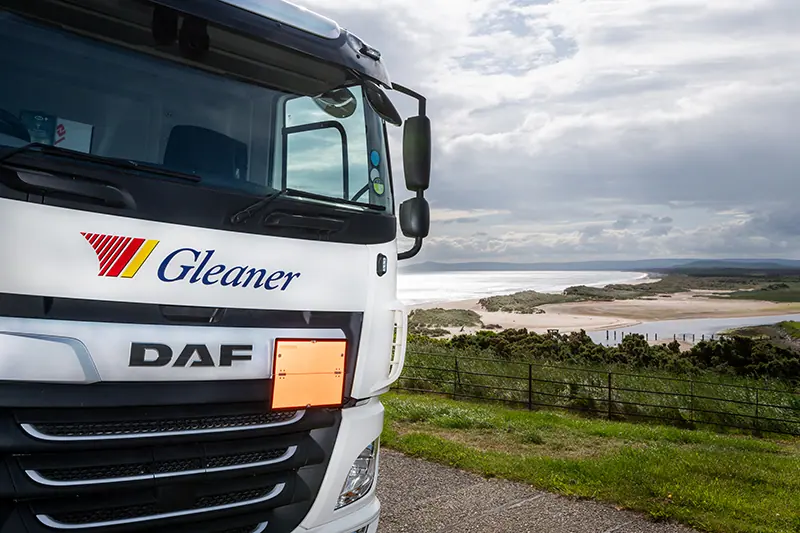
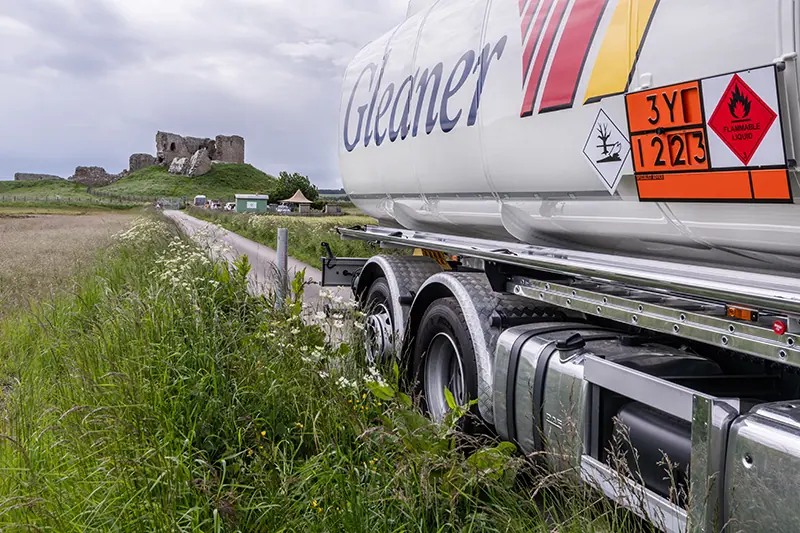
They’re refreshing their website and didn’t want “a tanker on a forecourt” imagery. The brief was simple and smart: updated photographs that feel local, recognisable, and genuinely rooted in the area they serve. The kind of images that quietly say, this is us, without needing to spell it out. We began at Gleaner Arena, a place that already carries significant meaning in the community. Gleaner sponsor it, so it made sense as the opening scene: a strong, clean location with a connection that’s real rather than manufactured. For commercial work, that matters. When the location aligns with the brand, the photographs don’t have to try so hard. From there, we headed to Lossiemouth East Beach and up onto Prospect Terrace, looking out across the sand and sea. This was one of those moments where you can feel the purpose of the shoot click into place. The tanker becomes part of the story, not dominating it, not competing with it, just sitting confidently in a scene that locals instantly recognise. It’s the difference between a vehicle photo and a brand image. You’re not just showing what they operate, you’re showing where they belong. Next up was Duffus Castle, working with the castle sitting back in the photo. I’m always looking for a balance in shots like this: enough environment to give a sense of place, but not so much that the subject gets lost. Historic landmarks are brilliant for that. They add depth and identity, while still keeping the focus on the client. For a business like Gleaner, it’s a subtle way of tying modern service to long-standing local roots.
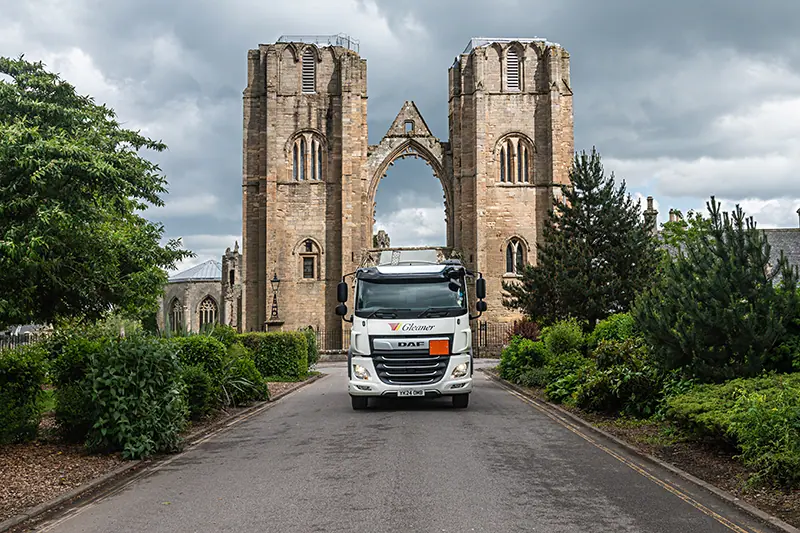
We carried on to Covesea Lighthouse, where the light shifts fast, and the wind has a habit of reminding you who’s in charge. It’s one of my favourite locations for commercial work because it brings a bit of edge, open sky, big shapes, and clean lines, which helps the images feel fresh and spacious. Website photography needs breathing room. Hero banners, headers, and negative space for copy. Locations like this give you that naturally, without forcing it in post. Hopeman’s beach huts gave us a clean, colourful slice of the Moray coast without the scene feeling touristy. The lines are simple, the background stays tidy, and it reads “local” instantly in a way that works beautifully for web imagery. It’s also the kind of location where the tanker looks confident and composed rather than overpowering the frame, and where the backdrop supports the brand rather than competing with it. At Burghead Harbour, we leaned into the working side of the coast. It’s fishing boats that work out of this harbour, so the images capture a sense of industry and everyday graft, exactly the kind of visual honesty that suits a business like Gleaner. It adds texture to the scene too: salt air, harbour details, and a backdrop that feels practical and real, while still giving us clean angles where the branding reads properly. Then it was out to Cullen for a change of pace, different textures, a different feel. That’s the quiet trick with a two-day shoot like this: variety without losing consistency. You want the gallery to feel cohesive, but you also want enough variety that the client can build pages, sections, and campaigns without repeating the same look. We stopped at the Land Girls Monument, which gave the day genuine meaning. Commercial photography doesn’t have to be sterile. Placing a working vehicle by something that represents history and contribution adds a layer plus a sense of service, of being part of everyday life. On the way back, we stopped at Gordon Castle’s gate entrance, leaning into the sense of arrival and departure that fits logistics photography. Gateways, roads, and leading lines naturally support the story of movement and reliability with no need for overstatement. We finished at Elgin Cathedral, which felt like the right note to end day one. There’s something about ending a commercial shoot at a landmark like that; it anchors everything back to the town. The images don’t just show a fleet; they show a local business operating in a place that matters, surrounded by the landscapes and landmarks their customers actually live alongside. That was day one: Moray, with familiar scenes, and a set of photographs designed to give Gleaner a stronger, more premium online presence, very instantly recognisable, polished, and real.
Day Two
With the first day establishing context and connection, day two shifted the focus to the west and the Highlands, an important area for the company since it covers the Highlands and Islands. We started the second day by leaving Elgin early with a gas tanker and headed west. This move was about visually expanding the business’s reach, showing coverage beyond Moray, conveying a quiet reassurance that Gleaner is always on the road. The intention was never to force “Highlands” into the scenes, but to curate images that felt expansive, capable, and representative of Gleaner’s geography. Our first stop was Benromach Distillery. In whisky country, it’s the kind of location that reads instantly as local and iconic without any explanation. The tanker sits in that environment as it belongs there, modern, practical, and quietly confident against a backdrop that visitors recognise and locals take pride in. We also stopped at the Nairn Bandstand, which brought a softer, more heritage feel into the Highland section of the story. It’s instantly recognisable, and that matters with familiar landmarks, which build trust quickly in commercial photography. Framed well, it gives you a polished “sense of place” image that feels calm and premium, and it rounds out the gallery with something a little different from bridges, forts and coastline. From there, we moved on to Fort George, using the gates as a strong graphic element behind the lorry. Shoots like this are a constant balancing act between aesthetics and purpose. The scene had to look good, but it also had to work as a business image, and that meant being deliberate with angles, timing, and positioning so the Gleaner branding stayed visible without feeling staged. Next was Caledonian Stadium, keeping that thread of community and recognisable landmarks running through the series. Sponsorships, local institutions, familiar places; they’re visual shorthand for trust, and that matters when the photographs are destined for a website where first impressions do a lot of heavy lifting.
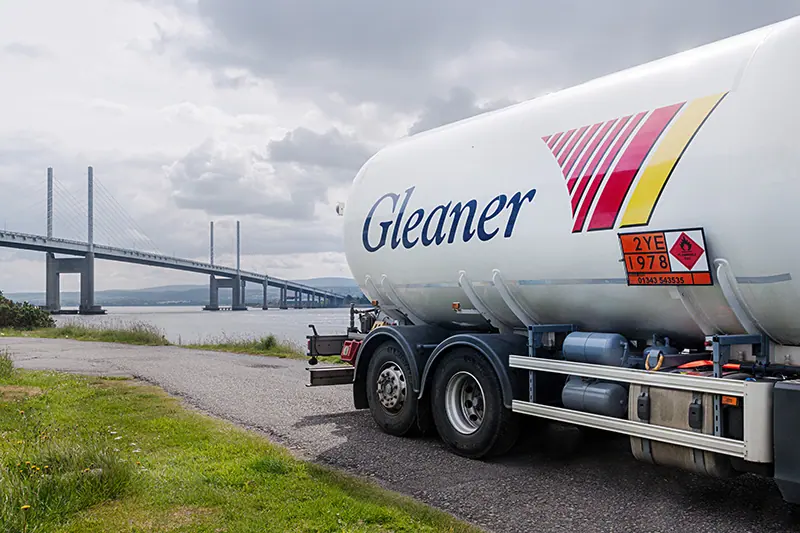
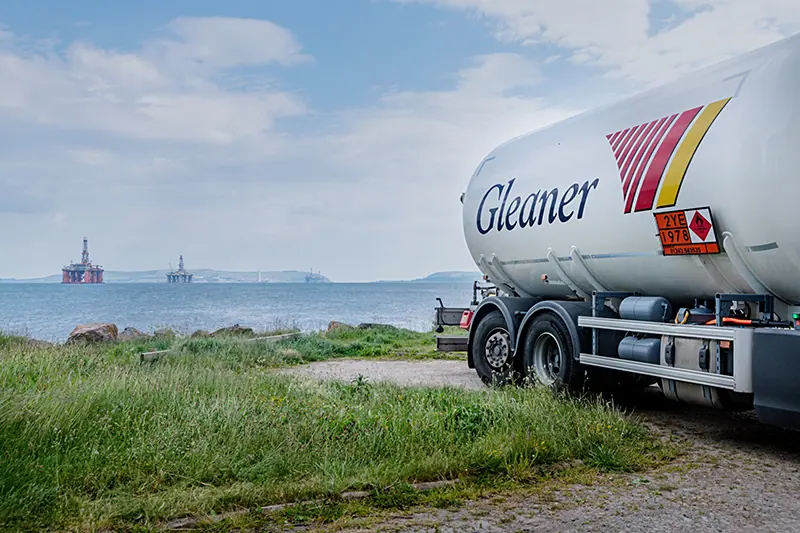
We crossed the Kessock Bridge and pulled into North Kessock, where the view opens up, and the bridge becomes part of the composition rather than just a route. With the structure sitting cleanly behind the tanker, the images start to feel like movement and connection, the simple idea that service links places together. Then it was across the Black Isle and out to Cromarty. We found viewpoints over the firth, with the oil rigs visible in the distance, and a ship docked at Nigg. It was one of those details that adds texture to a commercial gallery; a quiet nod to the wider energy story without turning the shoot into an industrial catalogue. The rigs were simply there, part of the real working landscape, and that authenticity carries through in the final frames.
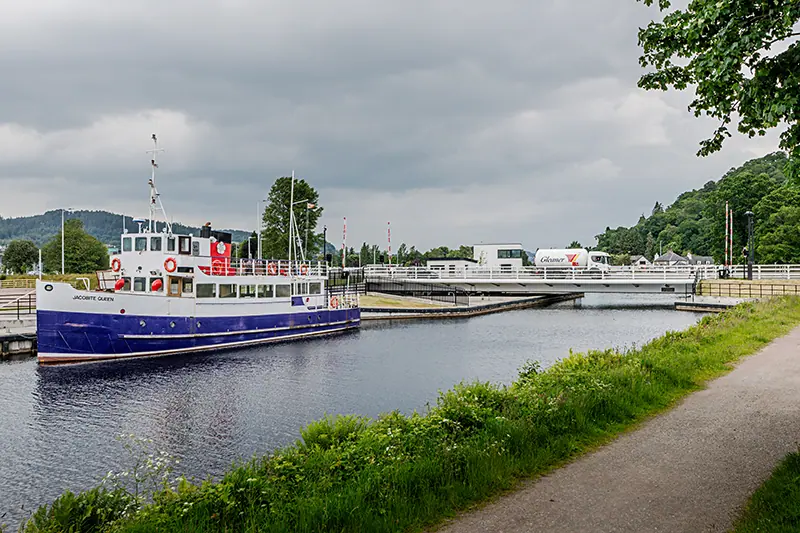
Once we’d seen how well the area added to the photographs, I had another idea: take the tanker across the Cromarty Bridge and, on the return, capture it from higher ground as it comes back over the curve. That shape does a lot of the work for you — leading lines, a sense of flow, and a natural feeling of motion even in a still image. It also gave us a fresh perspective that wasn’t just “another roadside shot”, but something with intention and design behind it. We continued to Strathpeffer, using Strathpeffer Pavilion as a recognisable Victorian backdrop. It’s a different mood — more heritage-driven — which helps a web library. It gives options, depending on the message and audience. To finish, we returned to Inverness and worked along the Caledonian Canal, timing the tanker at a road bridge at the locks. It was a fitting close: engineered movement, clean lines, and a sense of steady progress. The kind of image that works as a website banner: local, polished, and unmistakably on the job. In this way, day two naturally complemented the story of day one. Together, they produced not just updated tanker photographs, but an image set that reinforced the business’s visual identity—rooted in the north, outward-looking in its scope, and shot with the attention to detail you’d expect from a premium brand. This project shows how I approach commercial work. The brief was simple: updated images for a new website, showing the fleet in local scenes. The difference is in execution. Most businesses don’t lose clients from a lack of quality, but because first impressions don’t match what’s behind the scenes. So I planned this like a brand shoot: clean imagery, strong light, real locations, and a consistent look that feels professional and established.
FAQ
Do you offer commercial photography in Elgin and across Moray and the Highlands?
Yes. I’m based in Elgin and regularly photograph commercial work across Moray and for Highland businesses that want their websites, social media, brochures, and Google listings to look more premium and consistent. Can you photograph fleet and logistics work across Scotland and the Highlands?
Yes. Fleet photography works best when it suggests genuine coverage, so I’m happy to build a route that takes in Moray, Inverness and Highland locations where it makes sense. The goal is always the same: credible scenes, clean compositions, and images that feel real rather than staged. What’s your approach to commercial fleet photography?
Most fleet photography simply shows the vehicle. I’m interested in showing the business behind it. That means photographing the fleet in believable locations, keeping the branding clear, and creating images that look confident on a modern website, not just “record shots”, but photographs that lift the brand. How do you plan a shoot across multiple locations and keep it consistent?
I keep it calm and well-planned. I’ll build a route that gives variety without turning the day into a tour, then I shoot for cohesion; lens choice, angles, and light that help the final set feel like one story, even when the weather changes. How do you make sure the branding is visible in the photos?
It’s planned into the angles, direction of travel, and timing. I’m always watching reflections, clutter and distractions so the logo reads clearly, but the image still feels effortless. Do you shoot with website design and marketing in mind?
Yes. Your visuals are doing the selling before you ever speak to someone. I’ll capture hero images with space to breathe, alongside supporting frames that work across service pages, brochures, socials, and your Google listing, with visuals you’ll actually use, not just admire. What do clients typically receive after a shoot like this?
A curated library of edited images with a consistent look and a clear purpose. Enough variety to update a website properly, not just swap one banner image and a finish that makes the whole set feel more established and premium. Can you include both video and photography?
I can. Often, a handful of short clips is all you need to make a website feel more current, with simple movement, clean passes, and details that add life without turning the day into a full production. How do I know if I need new commercial photography for my website?
If the work you do is premium but your visuals don’t reflect it because of inconsistent lighting, outdated images, mixed styles, or a lack of anything that really shows what you’re about, people hesitate. Updating your photography is one of the fastest ways to make the first impression match the quality behind the scenes.
Book a Quick Call. View Investment.
Why Professional Commercial Photography is Essential for Effective Content Marketing
Words & photographs by Mike Custer, Fitlike Photography.


