
Why Experience Matters in Wedding Photography
Anyone Can Take a Photo. Not Everyone Makes One.
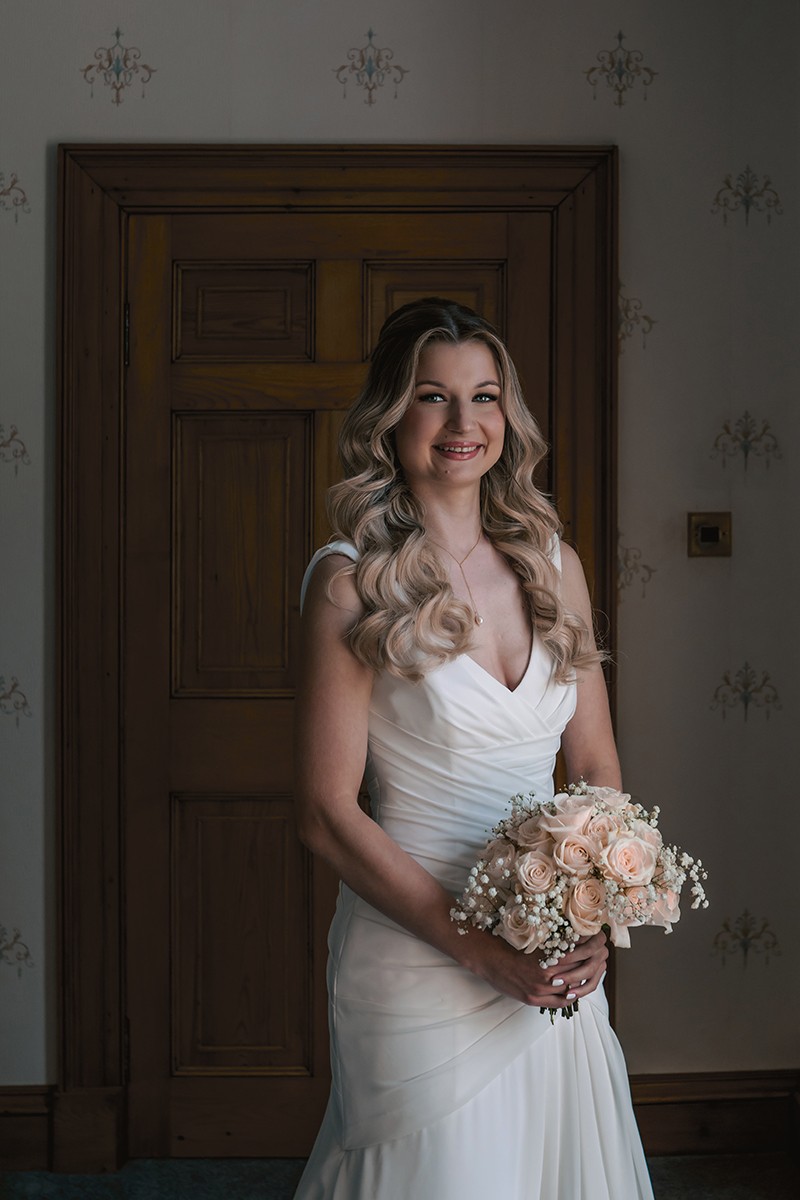
A good camera can take a sharp photo. It cannot read a room, flatter a face, fix awkward light, calm a timeline, or know when to step in and when to leave a moment alone.
That is where experience matters.
Wedding photography is not just about capturing a few beautiful frames when the light is right. It is about creating a full gallery that feels consistent from morning prep to the dance floor, through window light, dark ceremony rooms, mixed hotel lighting, grey skies, fast timelines and all the little surprises a real wedding day throws at you.
If you are planning a wedding in Aberdeen, Inverness, the Highlands, Caithness, Moray or beyond, this is one of the biggest things to look for when choosing your photographer: not just whether they can make a lovely portrait, but whether they can deliver calm, flattering, consistent work across the whole day.
Why does experience matter in wedding photography?
Experience matters because weddings rarely happen in perfect light from start to finish. A skilled photographer knows how to work with changing weather, dark rooms, mixed lighting, tight timings and nervous people, while still creating images that feel natural, flattering and consistent. It is not about making the day feel staged. It is about making quick decisions quietly, so the photographs look effortless.
My Approach to Weddings.
Think of it this way: the camera is clever. But light is still the boss.
A modern camera can correctly expose a scene. It can stabilise, sharpen, and even be set to the “look” you might like. What it can’t do is understand the feeling you’re trying to create.
Light shapes what we respond to in a photograph, not just brightness, but mood, direction, softness, and colour. This is what turns a record into a memorable, flattering image.
A button presser hopes the light behaves.
So, how does one move from hoping for great light to creating reliably strong images? Training isn’t about rules. It’s about control.
When people hear “training”, they sometimes imagine rigid formulas: always shoot at this setting, always place a subject here, always use that lens. Real training is the opposite. It gives you options. I’ve invested a fair bit of money and time attending training to improve and remain on top of my game.
It’s knowing how to handle harsh midday sun without making people squint and look uncomfortable. It’s understanding why mixed lighting in a room can turn skin tones green or orange, and how to correct it before you start “fixing it in editing”. It’s recognising when a scene needs to be simplified, when a background is stealing attention, when a moment will read better from a different angle, and when the light creates a flattering portrait.
In short, training gives you repeatability.
Not luck.
See complete wedding galleries from across Aberdeen, Inverness and the Highlands.
Nick & Lindsey's Orbost Beach Wedding on the Isle of Skye.
Nicole and Gary's Stunning Wedding at MacDonald Drumossie Hotel, Inverness | Inverness Wedding Photographer.
A Gorgeous Caithness Wedding at Stemster House | Bekki and Ashley.
A Gorgeous Summer Wedding At Ardoe House Hotel Wedding Venue | Aberdeen Wedding Photographer.
“Hope” looks like an inconsistency.
Most people can create some great images on a good day. The real challenge is delivering quality when conditions aren’t perfect: rain at a wedding, fluorescent lighting, grey skies, a tight schedule, or awkward window light.
This is where knowledge matters: it prevents your work from being dependent on ideal conditions.
A professional’s quiet superpower isn’t fancy gear; it’s consistency. This ability is what sets the best work apart, every time.
What does this mean on a wedding day?
On a wedding day, light isn’t a studio scenario—it’s window light in the morning, tungsten in a hotel room, grey skies at midday, then a dim reception with coloured DJ lights later on. The difference between “a few great shots” and a gallery you can trust is how well your photographer handles those transitions—quickly, calmly, and without you feeling like you’re being staged all day. Consistency is what lets you relax.
Knowledge of light changes how people look and feel on camera.
This is the part clients rarely articulate, but they feel it immediately.
Good light is flattering and reassuring. People relax when they sense they look like themselves, allowing their true expression to surface. That’s when photographs go from posed to believable.
Knowing light means you can guide someone gently into a space where they’ll naturally look their best, without turning the moment into a production. For clients, this means less stress and more authentic moments captured, making the experience easier and more enjoyable.

Composition is empathy.
Composition isn’t just “rule of thirds” and straight horizons. It’s deciding what matters and what doesn’t.
It’s noticing a distracting exit sign behind someone’s head or, worse, something “growing” out of someone's head. It’s stepping half a metre to the side, so a scene suddenly makes sense. It’s framing a moment so the emotion lands cleanly, without visual clutter pulling the viewer away.
The best composition doesn’t scream, " Look how clever this is”. It simply feels like the photo couldn’t have been taken any other way.
Editing is not a rescue. It’s refinement.
Editing can elevate a photograph, but only when the foundations are strong: good exposure, colour, light, and moment.
When fundamentals are in place by getting as much of it in camera, the editing becomes careful finishing: tone, colour consistency, contrast to match the mood, and a unified style across a full set. I often refer to it like this: “I edit every image in my signature style to create a cohesive, beautiful gallery”.
What to look for if you’re hiring someone.
If you’re hiring a photographer, the real question isn’t about their camera. It’s whether they can create excellent work when things aren’t perfect.
That shows up in a full gallery. It shows up in indoor images, not just golden-hour portraits. It shows up in how skin tones look, how consistent the set feels, and whether the story flows naturally rather than relying on a handful of highlights.
A portfolio may impress. A complete body of work reassures. I’m always happy to show prospective couples complete wedding galleries under different lighting, in different seasons, or at different venues.
Ultimately, the point isn’t to gatekeep. It’s important to care about meaningful results.
None of this is about looking down on people who enjoy photography. I love that more people are taking pictures; it matters. Memories matter. Art matters.
Hiring a professional isn’t paying for a camera; it’s paying for someone who confidently understands and adapts to light, delivering consistent results that feel authentic and beautiful.
That’s what separates pressing a button from making an image.
That’s also why experienced photographers charge what they do. You’re not paying for a camera or a few good moments of luck; you’re investing in someone who can read the light, stay calm when the conditions change, and deliver work that’s consistent from start to finish. It’s the unseen parts that hold the value: the training, the real-time decisions, the ability to create flattering, natural images in any room, in any weather, on any schedule. When it’s done well, it looks effortless, and that’s exactly the point.

If you’re drawn to work that feels natural but considered—where the light is handled quietly, and the storytelling stays consistent—I’m happy to show you a couple of full galleries from weddings similar to yours.
This is also why I always encourage couples to look beyond a handful of portfolio images. Whether you are planning a wedding in the Highlands, Inverness, Aberdeen, Moray, Caithness or Fife, ask to see how a photographer handles the full day: prep rooms, ceremonies, group photos, speeches, evening light and the dance floor. That is where consistency shows.
Is a better camera what makes someone a professional?
It helps, but it’s not the core. A better camera gives you more flexibility. Professional results come from understanding light, timing, composition, and consistently handling difficult conditions.
What does “knowing light” actually mean?
It means recognising what the light is doing (direction, softness, colour, contrast) and positioning your subject or adjusting your settings to make the image feel natural and flattering.
Can editing fix bad light?
It can improve an image, but it can’t fully change how light shapes the scene. Good editing enhances good capture. It’s a finishing process, not a rescue plan.
How can I tell if someone is consistent?
Ask to see full galleries, not just highlights. Pay attention to indoor photos, mixed lighting, rainy days, and fast-moving moments. Consistency is easiest to spot where conditions are challenging.
Why are photographers so expensive?
Because you’re not paying for someone to “take photos” — you’re paying for consistent results, regardless of light, weather, venues, timelines, or pressure. Experience shows up in the quiet decisions: flattering light, natural skin tones, clean composition, calm direction, and a set of images that holds together from start to finish.
What should I look for in a wedding photographer’s full gallery?
Look beyond the highlights. A full gallery shows consistency across indoor light, mixed lighting, fast moments, group photos, and the photographer's handling of awkward spaces and unpredictable weather. If the work feels steady throughout — not just at golden hour — you’re looking at craft, not luck.
How do I check a photographer’s consistency before booking?
Look for complete wedding galleries in similar light to your venue and season. One strong portfolio image is easy; a full set that holds up from prep to dancing tells you far more.
What happens if our ceremony space is dark or has mixed lighting?
A prepared photographer anticipates it—exposure, colour, and lens choice are set up for the room you actually have. The goal is natural-looking skin tones and clean light without turning the moment into a photoshoot.
Do you use flash at weddings?
Sometimes. Good flash work should feel invisible—used to lift and shape light when needed (especially after dark), while keeping the room's atmosphere intact.
What should I ask a photographer to avoid ‘highlight-only’ portfolios?
Ask to see two or three full galleries, ideally from weddings that include similar conditions: indoor ceremonies, winter light, or a fast schedule. It’s the quickest way to see reliability.

